Select Page
Should You Store Your Eggs in a Refrigerator?

Should You Store Your Eggs in a Refrigerator?

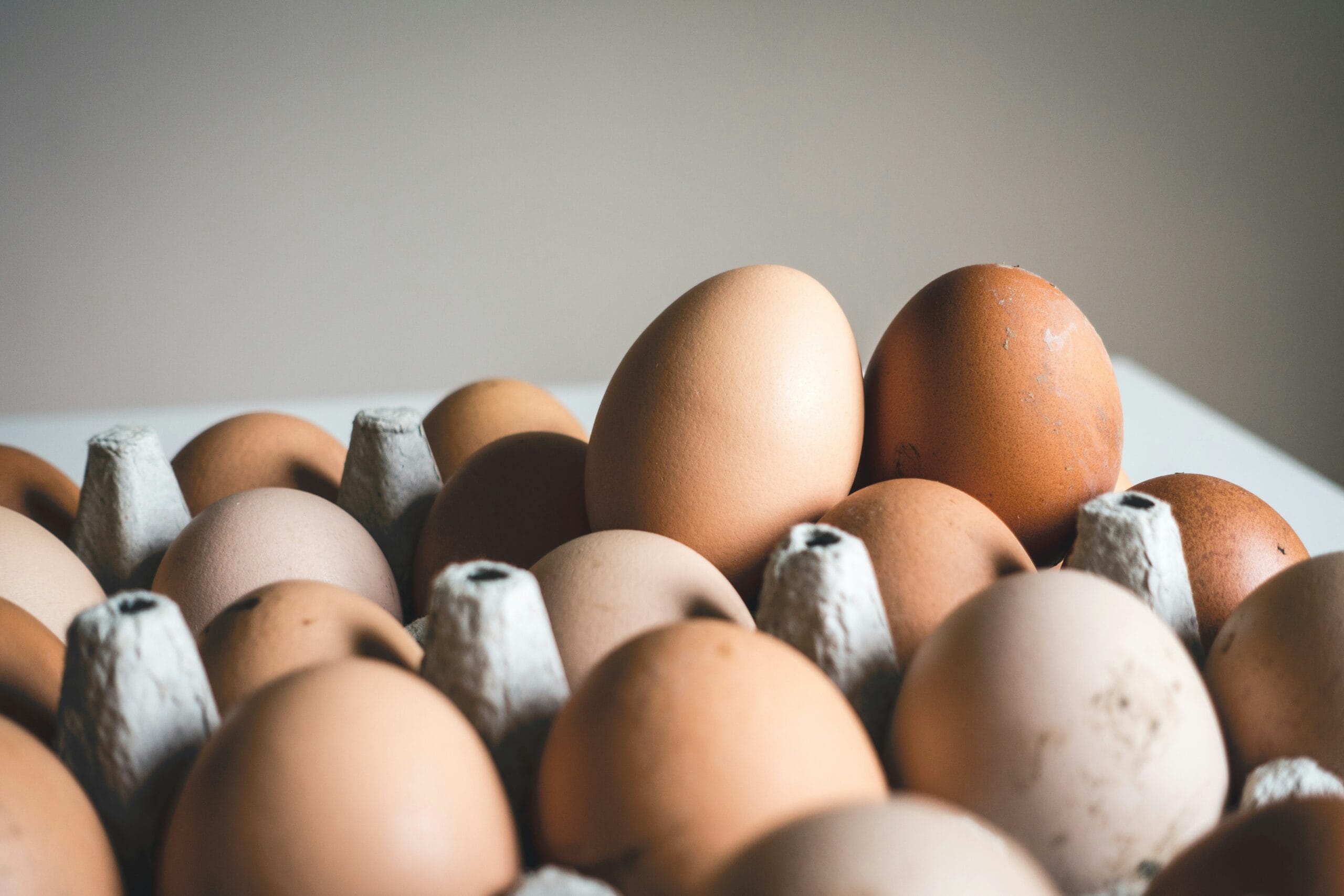
When it comes to storing eggs, there has been an ongoing debate about whether they should be kept in the refrigerator or not. Some people argue that refrigeration is necessary to maintain freshness and prevent the growth of harmful bacteria, while others believe that eggs can be stored safely at room temperature. In this article, we will explore the pros and cons of refrigerating eggs to help you make an informed decision.

The Case for Refrigeration

Refrigerating eggs has become a common practice in many households, and for good reason. By storing eggs in the refrigerator, you can extend their shelf life and reduce the risk of bacterial contamination.

Eggs are porous, which means they can absorb odors and flavors from other foods in the refrigerator. By keeping them in a separate compartment or in their original carton, you can prevent cross-contamination and maintain the integrity of the eggs’ taste and aroma.

Refrigeration also slows down the growth of bacteria, such as Salmonella, which can be present on the shell of an egg. While proper cooking can kill these bacteria, refrigeration adds an extra layer of protection, especially if you plan to consume the eggs raw or undercooked.

The Case for Room Temperature

On the other hand, some argue that refrigeration is not necessary for eggs and that they can be safely stored at room temperature. This is particularly true in countries where eggs are not washed before being sold, as the protective coating on the shell helps to keep out bacteria.

When eggs are stored at room temperature, they remain at a consistent temperature, which can be beneficial for certain recipes. For example, if you are planning to bake a cake or make meringue, room temperature eggs can help achieve better results by creating more volume and stability in the final product.

Additionally, eggs stored at room temperature are easier to peel when hard-boiled. The slight expansion and contraction that occurs during temperature changes can help separate the egg white from the shell, making it easier to remove.

Conclusion: What’s the Best Option?

Ultimately, the decision of whether to refrigerate eggs or store them at room temperature depends on various factors, including local regulations, personal preferences, and the intended use of the eggs.

If you live in a country where eggs are washed before being sold, refrigeration is generally recommended to minimize the risk of bacterial contamination. It is also advisable to store eggs in their original carton or a separate compartment to prevent absorption of odors and flavors.

However, if you live in a country where eggs are not washed and you plan to use them within a relatively short period, storing them at room temperature may be a viable option. Just make sure to use the “float test” to check their freshness before consuming. Place the egg in a bowl of water – if it sinks, it’s fresh; if it floats, it’s time to discard it.

In conclusion, whether you choose to refrigerate your eggs or store them at room temperature, it is important to handle them with care, practice good hygiene, and follow local food safety guidelines. By doing so, you can enjoy fresh and delicious eggs while minimizing the risk of foodborne illnesses.
The Difference of Cooking with Gas Rather Than Induction

The Difference of Cooking with Gas Rather Than Induction

When it comes to cooking, the choice of the right cooktop can make a significant difference in your overall experience. Two popular options that many homeowners consider are gas and induction cooktops. Both have their own advantages and disadvantages, and understanding the differences between them can help you make an informed decision for your kitchen.

Gas Cooktops

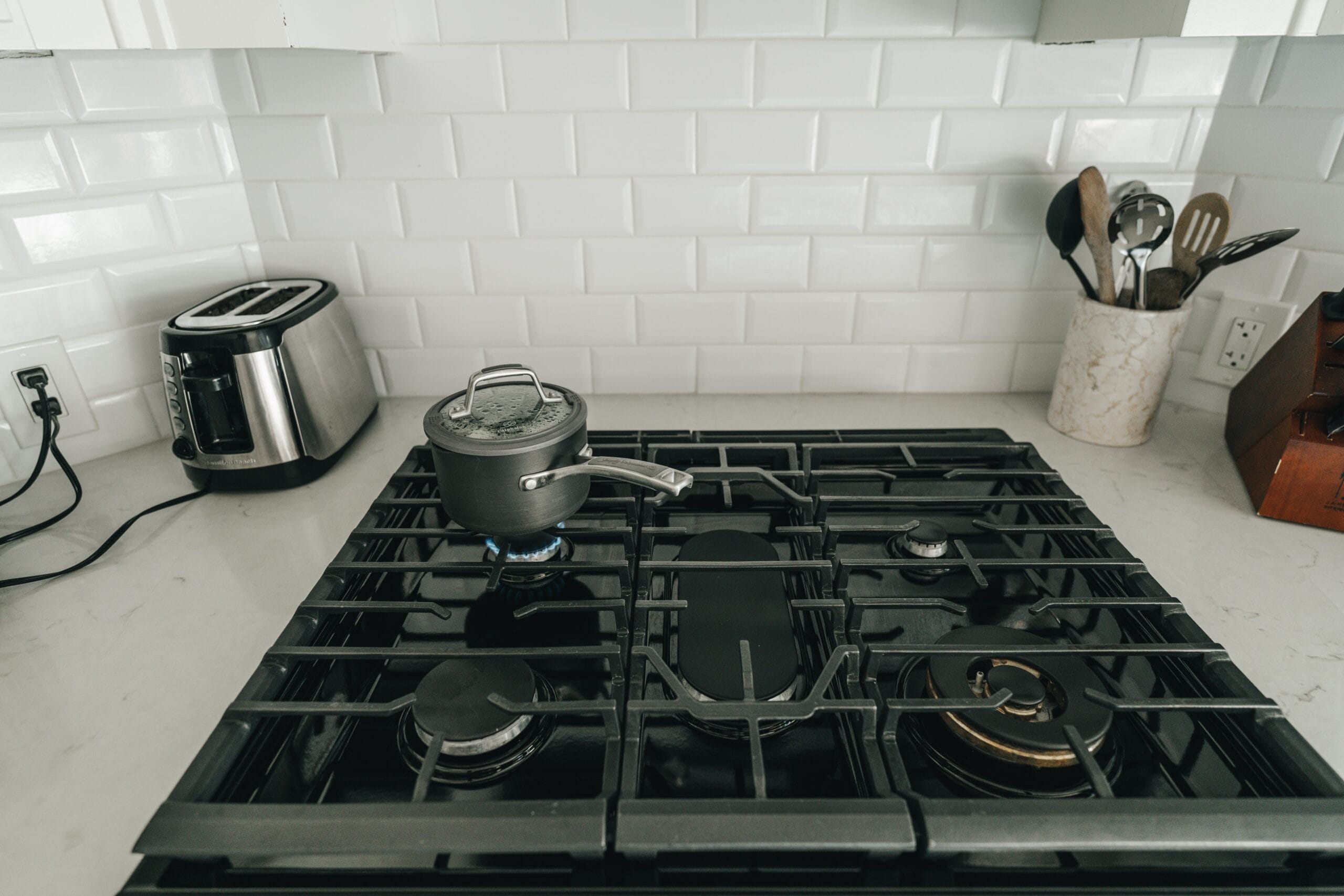
Gas cooktops have been a staple in kitchens for many years. They use natural gas or propane as a fuel source and provide instant and precise heat control. Here are some key advantages of cooking with gas:

  • Heat Control: Gas cooktops offer precise temperature control, allowing you to adjust the flame to your desired level. This makes it easier to simmer delicate sauces or sear meats at high temperatures.
  • Visual Cue: With a gas cooktop, you can visually see the flame, which provides a clear indication of the heat level. This can be helpful for beginners or those who prefer a more hands-on approach to cooking.
  • Compatibility: Gas cooktops are compatible with a wide range of cookware, including cast iron, stainless steel, and copper.
  • Power Outage: In the event of a power outage, a gas cooktop can still be used as long as the gas supply is not affected.

However, there are a few drawbacks to consider when it comes to gas cooktops:

  • Installation: Gas cooktops require a gas line, which may not be available in all homes. If a gas line needs to be installed, it can add to the overall cost.
  • Cleaning: Gas cooktops can be more challenging to clean due to the presence of burners and grates. Food spills and grease can accumulate in these areas, requiring more effort to keep the cooktop looking clean.
  • Heat Distribution: Gas flames can sometimes result in uneven heat distribution, leading to hot spots on the cookware.

Induction Cooktops

Induction cooktops are a relatively newer technology that has gained popularity in recent years. They use electromagnetic fields to directly heat the cookware, offering several advantages:

  • Efficiency: Induction cooktops are highly efficient as they heat the cookware directly, resulting in faster cooking times and less wasted heat.
  • Safety: Induction cooktops remain cool to the touch, reducing the risk of burns. They also have built-in safety features such as automatic shut-off when no cookware is detected.
  • Cleaning: The smooth surface of an induction cooktop makes it easy to clean. Spills and splatters can be wiped away effortlessly.
  • Heat Control: Like gas cooktops, induction cooktops offer precise temperature control, allowing for precise cooking techniques.

Despite their advantages, there are a few considerations when it comes to induction cooktops:

  • Cookware Compatibility: Induction cooktops require the use of induction-compatible cookware, which is typically made of magnetic materials such as cast iron or stainless steel.
  • Initial Cost: Induction cooktops tend to have a higher upfront cost compared to gas cooktops.
  • Noise: Some induction cooktops can produce a slight humming noise during operation, although this is generally not a significant issue.

Conclusion

Choosing between a gas and induction cooktop ultimately depends on your personal preferences and needs. Gas cooktops offer precise heat control and compatibility with a wide range of cookware, while induction cooktops provide efficiency, safety, and easy cleaning. Consider factors such as installation requirements, cleaning preferences, and budget when making your decision. Whichever option you choose, both gas and induction cooktops can elevate your cooking experience and help you create delicious meals in your kitchen.

The History of Japanese Damascus Steel Knives

The History of Japanese Damascus Steel Knives

Japanese Damascus steel knives are renowned for their exceptional quality and craftsmanship. These knives have a long and fascinating history, rooted in ancient Japanese sword-making traditions. In this article, we will explore the origins and evolution of Japanese Damascus steel knives.

The Origins of Damascus Steel

The art of forging Damascus steel can be traced back to ancient times, with its origins believed to be in the Middle East. However, it was the Japanese who perfected the technique and elevated it to an art form.

Japanese swordsmiths, known as “katanakaji,” developed their own unique method of producing Damascus steel during the Heian period (794-1185). They combined different types of iron and steel to create a blade with superior strength, sharpness, and durability.

The Making of Japanese Damascus Steel Knives

The process of making Japanese Damascus steel knives is a meticulous and labor-intensive craft. It involves several steps, each carried out with precision and skill.

1. Selecting the Materials: The first step is to carefully select the materials for the blade. Japanese swordsmiths use a combination of high-carbon steel and low-carbon iron, which are layered together to create the distinctive pattern of Damascus steel.

2. Forge Welding: The selected materials are heated and hammered together repeatedly to remove impurities and create a solid billet. This process, known as forge welding, ensures that the different layers of steel are bonded tightly.

3. Folding and Forging: The billet is then folded multiple times to increase the number of layers and refine the steel’s structure. This folding and forging process helps to distribute carbon evenly throughout the blade, enhancing its strength and sharpness.

4. Quenching and Tempering: After the blade is shaped, it is heated and quenched in water or oil to harden the steel. The blade is then tempered to reduce its brittleness and improve its resilience.

5. Polishing and Finishing: The final step involves polishing the blade to reveal the intricate pattern of the Damascus steel. This is done using traditional Japanese polishing stones, which require great skill and patience.

The Unique Characteristics of Japanese Damascus Steel Knives

Japanese Damascus steel knives are prized for their exceptional qualities. Here are some of the unique characteristics that set them apart:

1. Exceptional Sharpness: The multiple layers of steel in a Damascus blade create a fine, razor-sharp edge that can effortlessly slice through food with precision.

2. Durability: The folding and forging process enhances the strength and durability of the blade, making it resistant to chipping and breaking.

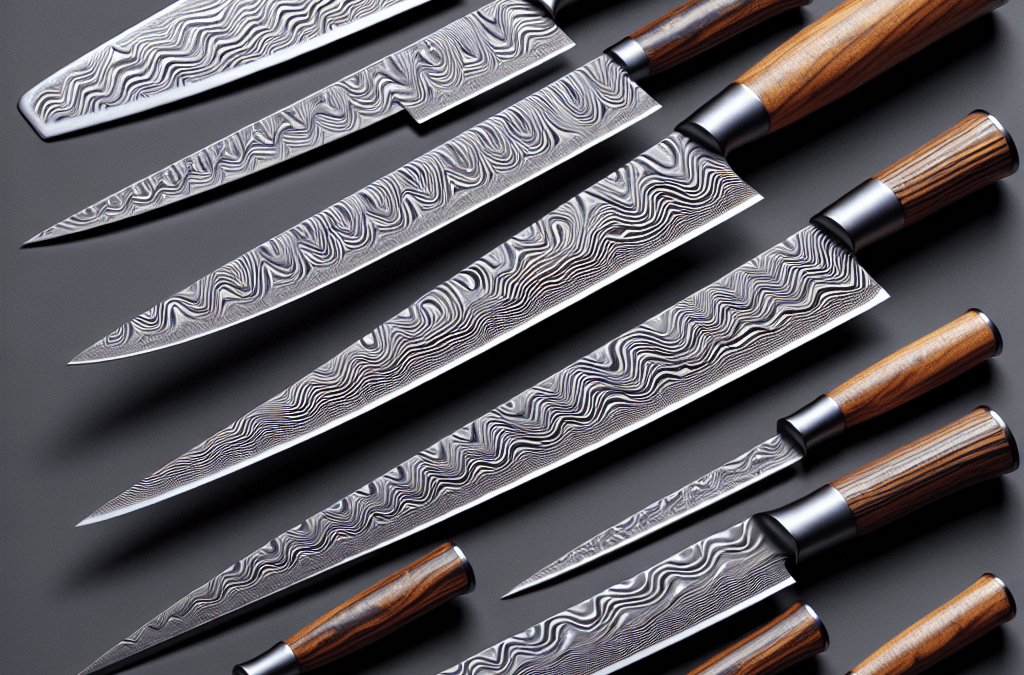
3. Beautiful Patterns: The distinctive patterns seen on the surface of a Japanese Damascus steel knife are the result of the layering and folding process. These patterns, known as “Hada” in Japanese, are highly prized and add to the knife’s aesthetic appeal.

4. Excellent Edge Retention: Damascus steel knives have excellent edge retention, meaning they can maintain their sharpness for a longer time compared to other types of knives.

The Legacy of Japanese Damascus Steel Knives

The art of Japanese Damascus steel knife-making has been passed down through generations of skilled craftsmen. Today, these knives are highly sought after by professional chefs and knife enthusiasts around the world.

Japanese Damascus steel knives continue to be a symbol of exquisite craftsmanship, blending tradition with modern technology. Whether used in the kitchen or admired as a work of art, these knives embody the rich history and skill of Japanese sword-making.

In conclusion, the history of Japanese Damascus steel knives is a testament to the ingenuity and craftsmanship of Japanese swordsmiths. From their humble origins to their status as highly prized culinary tools, these knives have stood the test of time and continue to be revered for their exceptional quality.